
Subscribe and receive email notifications of new blog posts.
 RSS Feed
- 2026 | 91 Posts
- 2025 | 96 Posts
- 2024 | 114 Posts
- 2023 | 143 Posts
- 2022 | 188 Posts
- 2021 | 204 Posts
- 2020 | 190 Posts
- 2019 | 118 Posts
- 2018 | 122 Posts
- 2017 | 164 Posts
- 2016 | 95 Posts
- 2015 | 68 Posts
17
From #3 to #13: How One Platform Switch Cost a Brokerage Its Search Rankings
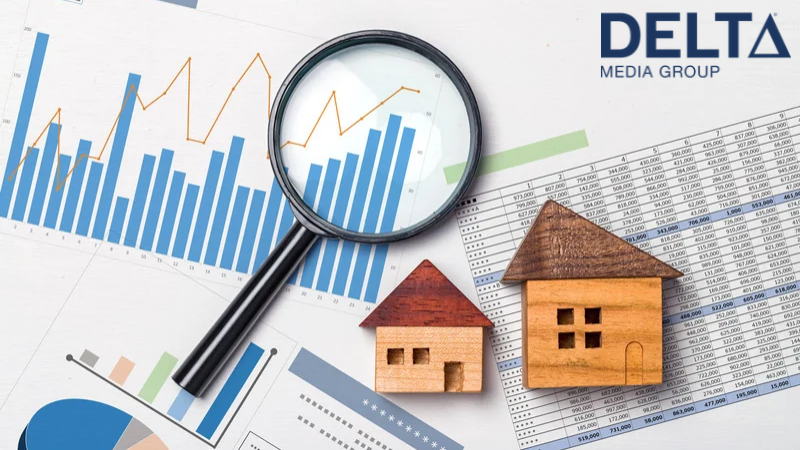
Imagine spending years building your brokerage's online presence until your website finally reaches the third spot on Google for one of your most important local searches. You're getting steady traffic, new leads are coming in, and everything seems to be working.
Then you decide it's time for a website upgrade. You switch to a new platform, launch your new site, and expect business to continue as usual.
But a few weeks later, you check your rankings and discover you've dropped from #3 to #13. Instead of appearing near the top of Google's first page, your brokerage is now sitting on page two.
What happened?
In this example, the problem wasn't your agents, your listings, or even your new website's design. It was how the website migration was handled.
Why Switching Website Platforms Can Hurt Your Rankings
When you move your real estate website to a new platform, there's a lot more happening behind the scenes than you might realize.
Google doesn't just look at your homepage and decide where your brokerage should rank. It evaluates individual pages, their content, links, and other signals to determine which search results are most relevant.
Over time, your website builds up search visibility. But if important details get overlooked during a migration, you could lose some of the progress you've worked so hard to make.
Changing URLs Without Redirects
Let's say your brokerage has a neighborhood page that's been bringing in buyers for years.
When you switch platforms, that page gets a new web address. If someone clicks an old link and there's no redirect in place, they'll end up on an error page instead of the information they were looking for.
Google may also have trouble connecting the old page to its replacement.
That's why 301 redirects are so important. They tell search engines that a page has permanently moved and help preserve the ranking signals associated with the original URL.
Without them, you risk losing valuable traffic from pages that were performing well before the switch.
Leaving Important Local Content Behind
When you're excited about launching a new website, it's easy to focus on the design, homepage, and agent profiles.
But what about all the neighborhood guides, subdivision pages, and local blog posts you've published over the years?
Those pages can be some of your biggest sources of local search visibility, especially when buyers are searching for homes in specific communities.
Unfortunately, they're also easy to overlook during a website migration.
Some of the content and SEO details that can get lost include:
-
Neighborhood and subdivision landing pages
-
Blog posts that bring in traffic from specific local searches
-
Title tags and meta descriptions written for your target markets
-
Schema markup that helps search engines better understand your website
Losing these pages or changing their content can affect how easily potential clients find your brokerage online.
How to Protect Your SEO When Switching Platforms
Moving to a new website platform doesn't automatically mean you'll lose your search rankings.
The key is making sure your existing SEO is part of the conversation before the new site goes live.
Take a Close Look at Your Current Website
Before making the switch, find out which pages are already working well for your brokerage.
You might have a community page that's consistently bringing in buyers, or a blog post from several years ago that still gets regular traffic.
Those are pages you don't want to lose.
Before launching your new website, make sure you have:
-
A complete list of your existing URLs, along with traffic and ranking information
-
A redirect plan that connects old URLs to their new destinations
-
A plan to preserve important page titles, headings, and content
Taking the time to review these details beforehand can help you avoid bigger problems after launch.
Choose a Platform That Keeps Everything Connected
Managing a real estate brokerage already involves plenty of moving parts. Your website, CRM, marketing tools, and lead generation systems shouldn't make things more complicated.
When you're working with several different technology providers, it can be difficult to know who's responsible for what, especially when something goes wrong.
For example, if your website traffic suddenly drops after a redesign, is that something your website provider handles, or do you need to contact a separate SEO company?
Having everything connected through an all-in-one real estate platform can make those situations easier to manage.
Delta Media Group brings together real estate websites, CRM technology, marketing tools, and SEO services, giving brokerages a more connected way to manage their online presence and lead generation.
Instead of juggling multiple systems, you can work with one provider that understands how these pieces fit together.
Make Sure Your Website Is Ready for Today's Search
Google rankings are still important, but the way people search for real estate information is changing.
Buyers and sellers are also using AI-powered search tools to learn about neighborhoods, compare communities, and find answers to real estate questions.
That means your website needs to do more than look good. It should provide clear, useful information that search engines and AI tools can understand.
Well-organized headings, accurate schema markup, and location-specific content can help make your website easier to discover across different search experiences.
The SEO services from Delta Media Group focus on technical SEO, local content, and ongoing optimization to help real estate businesses maintain and improve their online visibility.
And remember, your SEO work shouldn't stop once your new website launches.
During the first few months after switching platforms, make time to:
-
Check your search rankings weekly for at least 90 days
-
Review Google Search Console for crawl errors and indexing problems
-
Identify and restore important pages that may have been missed during the move
Some ranking fluctuations are normal after a migration. But keeping an eye on your website's performance can help you catch potential problems before they become bigger issues.
Final Thoughts
Your brokerage's search rankings didn't happen overnight. You've spent time building your website, publishing local content, and making it easier for buyers and sellers to find you online.
A new website should help you build on that progress, not force you to start over.
Before switching platforms, ask your provider how they'll handle your existing pages, redirects, and SEO. Make sure there's a plan for protecting what's already working, along with a way to monitor your results after launch.
With more than 30 years of experience in real estate technology, Delta Media Group understands how important your website is to your brokerage's success. From website technology and lead management to marketing and SEO, Delta offers tools designed to help your business grow.
Thinking about making a change? Request a free demo at deltamediagroup.com →