
Subscribe and receive email notifications of new blog posts.
 RSS Feed
- 2026 | 71 Posts
- 2025 | 96 Posts
- 2024 | 114 Posts
- 2023 | 143 Posts
- 2022 | 188 Posts
- 2021 | 204 Posts
- 2020 | 190 Posts
- 2019 | 118 Posts
- 2018 | 122 Posts
- 2017 | 164 Posts
- 2016 | 95 Posts
- 2015 | 68 Posts
14
The Hidden Battle: Protecting Your Digital Presence From Bad Bots
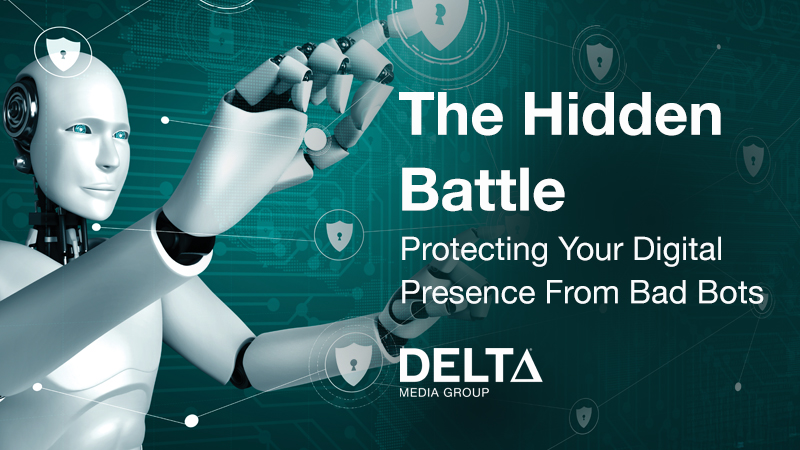
In today's digital landscape, a silent war rages beneath the surface of every website you visit. Recent studies reveal a startling truth: nearly half of all internet traffic isn't human — it's automated bot traffic. Even more concerning, roughly one-third of all web traffic comes from "bad bots" designed with malicious intent. In some countries, like Ireland, these malicious bots account for over 70% of all web traffic.
But what exactly are these bots, and why should you care? While some bots serve legitimate purposes — like Google's search engine crawlers that help people find your website — many others have more nefarious goals. These bad actors constantly probe websites for vulnerabilities, attempt to steal sensitive data, and launch attacks that can overwhelm servers and compromise security.
The threats are diverse and sophisticated. Some bots specialize in harvesting contact information, leading to those unwanted spam calls and phishing attempts you receive. Others systematically attempt to crack passwords, which is why using unique, strong passwords for each of your accounts is crucial. More aggressive bots might attempt to inject malicious code or launch denial-of-service attacks that can bring entire websites to a halt.
What makes these threats particularly challenging is their increasingly sophisticated nature. Modern bots can masquerade as legitimate users, making them difficult to detect. They might use multiple IP addresses, mimic regular browsing patterns, or even pose as authorized services like Google or Facebook crawlers. Some operate through compromised computer networks, making them even harder to identify and block.
The defense against these digital intruders requires a multi-layered approach. Professional website security isn't just about having a strong lock on the front door — it's about implementing multiple security checkpoints, encrypting sensitive data, and constantly monitoring to spot suspicious behavior. Web hosting providers and security professionals work tirelessly behind the scenes, filtering out hundreds of thousands of malicious requests daily before they can probe for vulnerabilities or consume valuable system resources.
Understanding these threats is the first step toward better security for business owners and individuals alike. Simple practices like using contact forms instead of displaying email addresses publicly, implementing strong password policies, and working with security-conscious web providers can significantly reduce your digital vulnerability.
The internet's bot problem isn't going away — if anything, it's becoming more sophisticated. But by staying informed and implementing proper security measures, we can ensure that our digital spaces remain safe and accessible for their intended purpose: serving real people with real needs.
Remember, security isn't just an IT issue in the digital world — it's everyone's responsibility. The bots may be clever, but we can stay one step ahead in this ongoing digital chess match with vigilance and the right protections.