
Posts with tag 'CRM'
Subscribe and receive email notifications of new blog posts.
 RSS Feed
- 2026 | 72 Posts
- 2025 | 96 Posts
- 2024 | 114 Posts
- 2023 | 143 Posts
- 2022 | 188 Posts
- 2021 | 204 Posts
- 2020 | 190 Posts
- 2019 | 118 Posts
- 2018 | 122 Posts
- 2017 | 164 Posts
- 2016 | 95 Posts
- 2015 | 68 Posts
4
Managing Customer Relationships for Real Estate Agents

A real estate agent's lead pipeline is different from those in virtually any other industry.
When it comes to nurturing leads and guiding them through the process, real estate clients are less like consumers – who compare a few options and then buy – and more like businesses.
What does that mean? Well:
- Unlike most consumers, real estate clients can take a year or more to make a decision.
- They have multiple points of comparison (agents, properties) and lots of information.
- Their decision-making process is very nonlinear, and it can start, stop, and start again.
For all these reasons and more, real estate customers are not always the easiest to keep track of. The main advantage a real estate agent has is his or her ability to build a personal relationship.
When you have a strong, ongoing relationship with a prospective buyer or seller, that person is much more likely to ultimately come to you when it's time to move the transaction forward.
You brought your relationship-building skills to the table when you joined the industry, of course. But without a method of tracking each customer and where they stand in the process, it becomes very difficult to follow up with relevant information at precisely the right time.
16
Real Estate Pipeline Management: 6 Tips to Manage Your Pipeline

Ask just about any real estate agent, and they will tell you maintaining and growing client relationships are at the heart of succeeding in today's market. A real estate agent juggles multiple tasks daily. It's essential to find a way to organize your time to concentrate on priorities like finding prospects, converting leads, showing homes, and making sales.
It sounds like a lot of heavy lifting, but you really can squeeze all of these things into your day by using an organized, active sales pipeline.
The goal of a pipeline is to move prospects through each stage of the sales process, from marketing to closing, while keeping your pipeline stocked with new opportunities.
We've put together six tips to manage your real estate pipeline and help grow your business.
-
Use the Right Tools for Pipeline Management
Managing your real estate pipeline with spreadsheets, email, and notes is a challenging task. When you have to spend so much time managing your pipeline manually, you're losing time you could dedicate to closing deals. Manual pipeline management also makes it easier for tasks to slip through the cracks, resulting in lost business.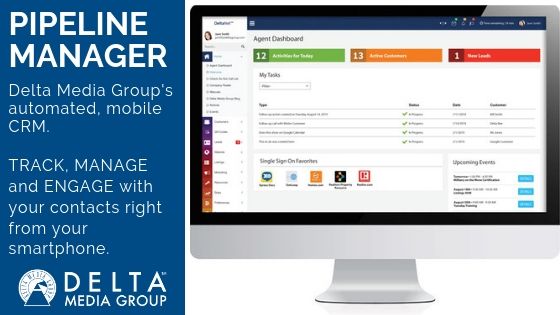
Delta Media Group's Pipeline Manager is a robust, back-end CRM system built with all the rights tools to prioritize your day's activities quickly. Since the Pipeline Manager gives you the power to automate your office tasks, you have more time in the day to do what you do best - close more deals. Agents have the ability to track, manage, and engage with contacts from their smartphone with Pipeline Manager.
10
Email Marketing Makes Customers for Life

Email marketing is, without a doubt, one of the biggest keys to success for real estate agents.
When you meet someone, they may not be ready to immediately use your services. They may be considering buying or selling a home, but need months before they'll take action. Often, that means your potential business slips away.
Email marketing helps to keep that from happening.
Email marketing allows you to foster trust and rapport with your future clients. You can use your subscription-only email list to provide people with targeted content about real estate topics and trends.
As the weeks and months roll by, this strengthens your brand as a recognized expert. That means you're top of mind and the first person they are likely to reach out to when they decide to move.
Consider the benefits:
- Your Future Clients "Sell Themselves" on You
No matter who you are and where you practice, odds are good there are dozens or even hundreds of other real estate agents in your area. Just think of the confusion this can cause first-time buyers and sellers looking for help. With an email newsletter, you can communicate with clients in an informative yet conversational way. They'll come to understand your skills and expertise.
24
10 Reasons Real Estate Agents Need Their Own Websites

Every modern real estate business needs its own website, from the smallest brokerages to the biggest brands. Your website is the face of your business online, and the place where customers come to learn what you have to offer. But it's also so much more. Check out our ten reasons why real estate agents need their own website.
- Customers Rely on Websites to Find Homes, Agents, and Real Estate Businesses
Real estate customers from Boomers to Gen Z rely on websites and online search to connect with businesses, scout listings, and find agents. So while a website is essential for connecting w...
17
Digital Marketing Tools and Tips to Grow Your Real Estate Business

In today's digital world, a website is essential for your real estate business: No one will believe you're a "real business" if they can't find you online. But the value of digital marketing goes further: Done right, it energizes your real estate practice with a consistent flow of buyers and sellers ready to do business.
Many real estate agents start out unsure which digital marketing tools suit their needs. They may post on social media or write blog posts for a while, only to discover getting traction is more challenging than they hoped.
Consistency is key, and a marketing mix where several digital techniques work together is more effective than any one approach. To move forward, consider these seven tools that have paved the way to success for real estate agents like you: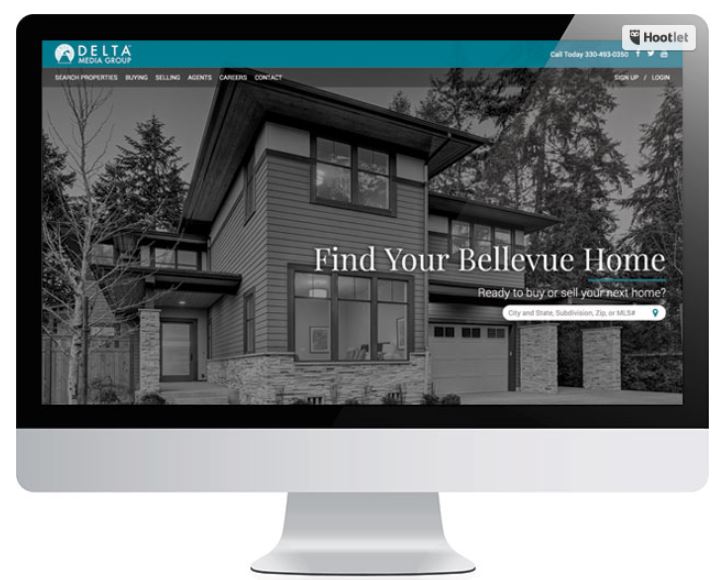
-
- Customizable Websites
If your website looks like everyone else's, that may be how visitors treat you. There are best practices that make it easier for customers to use your site, but it should give them a taste of your personality and branding. Your site's appearance and structure should be built around your ideal customers and their needs. Brokerage & Team Packages by Delta Media Group handle all design the details for you.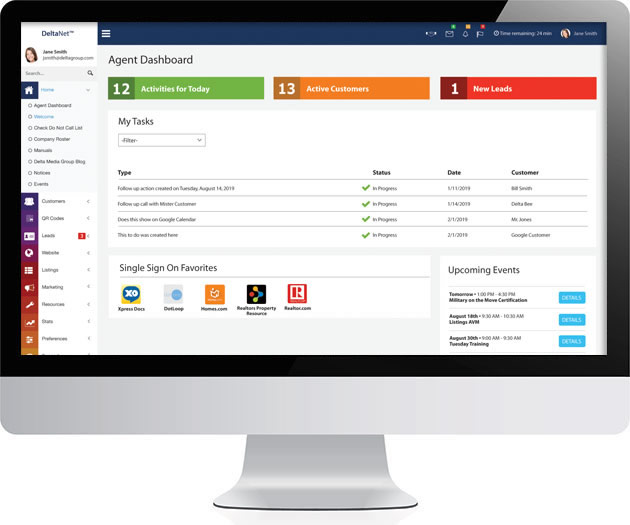
- CRM System
CRM stands for "Customer Relationship Management," and it should be part of your business technology platform allowing you to manage your relationships and communications with clients and prospective clients. With the right CRM system, it's simple to organize your client lists, streamline your business processes, and grow your real estate business. Delta Media Group's Pipeline Manager is built to help you TRACK, MANAGE and ENGAGE with your contacts right from your smartphone.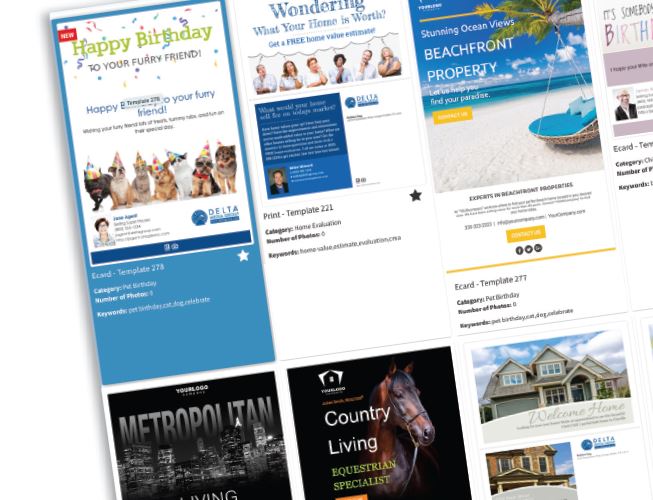
- Customizable Websites